
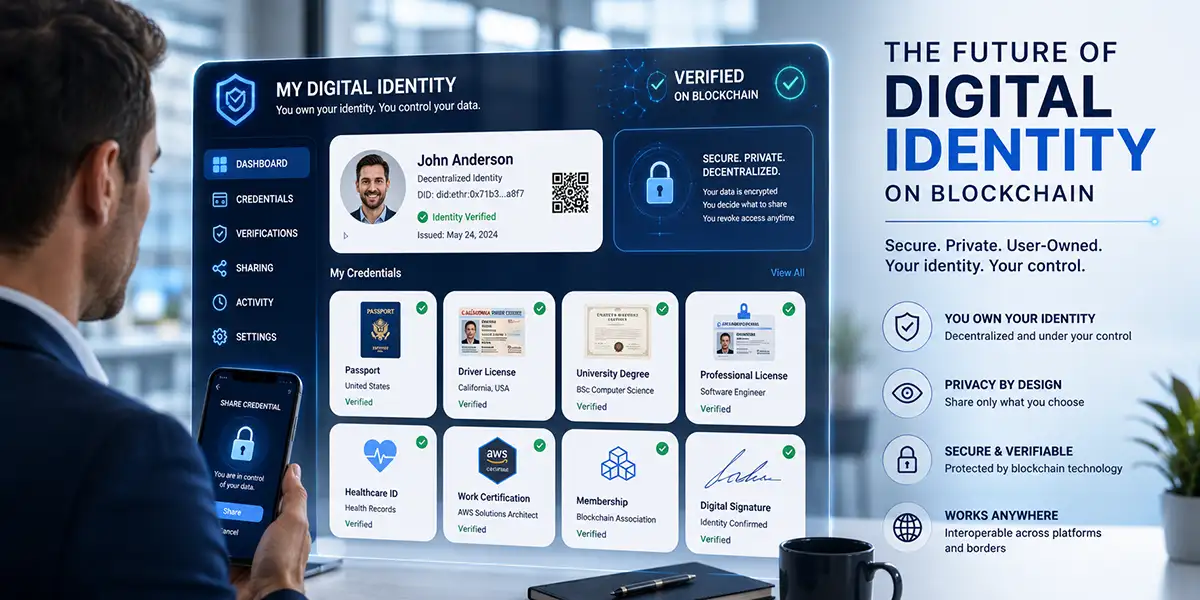
The Future of Digital Identity on Blockchain
In today’s digital world, proving who you are online is surprisingly complicated.
Most people have dozens, if not hundreds, of online accounts. Every website requires a username, password, email address, and often additional verification methods. Governments issue identification documents, banks require identity verification, employers maintain records, and social media platforms create their own systems for confirming authenticity.
While these systems have enabled the growth of the internet, they have also created challenges. Identity information is fragmented across countless databases, security breaches expose sensitive personal data, and users often have little control over how their information is stored or shared.
Blockchain technology may offer a new approach.
Rather than relying on dozens of organizations to manage pieces of your identity, blockchain-based systems aim to give individuals greater control over their digital credentials while providing secure and verifiable methods of proving who they are.
The Identity Problem
Identity has become one of the most important issues of the digital age.
Every day people interact with services that require some form of verification.
- Online banking.
- Government services.
- Healthcare providers.
- Educational institutions.
- Social media platforms.
- Business applications.
- E-commerce websites.
Each service often maintains its own records, login systems, and verification processes.
The result is a fragmented identity ecosystem that creates inconvenience, security risks, and duplicated effort.
Users repeatedly provide the same information to different organizations, while those organizations bear the responsibility of protecting sensitive personal data.
What Is Digital Identity?
Digital identity refers to the collection of information used to verify who you are online.
This may include:
- Name and contact information.
- Email addresses.
- User accounts.
- Professional credentials.
- Government-issued identification.
- Educational qualifications.
- Licenses and certifications.
- Biometric verification data.
Together, these elements form a digital representation of your identity that allows you to access services, conduct business, and interact online.
How Blockchain Changes Identity
Traditional identity systems are typically controlled by organizations that store and manage user data.
Blockchain introduces a different model often referred to as decentralized identity.
In a decentralized identity system, individuals maintain greater control over their credentials while blockchain provides a secure method for verification.
Instead of repeatedly submitting sensitive information, users may be able to share verified credentials when needed while retaining ownership of their underlying data.
This shifts identity management away from centralized databases and toward user-controlled verification systems.
Education and Professional Credentials
One promising application of blockchain identity is education.
Universities and training organizations issue millions of degrees, certificates, and credentials every year.
Blockchain-based identity systems could allow graduates to maintain permanent, verifiable records of their qualifications.
Employers could verify credentials quickly without requiring extensive manual verification processes.
Healthcare and Medical Records
Healthcare systems often struggle with fragmented patient records spread across multiple providers.
Blockchain identity solutions could help patients securely manage access to medical records while maintaining privacy controls.
Rather than information being scattered across multiple systems, patients could authorize specific healthcare providers to access verified records when needed.
Banking and Financial Services
Financial institutions spend significant resources verifying customer identities.
Blockchain-based digital identity systems could streamline onboarding processes while helping reduce fraud and compliance costs.
Verified credentials could potentially be reused across multiple institutions, reducing repetitive documentation requirements.
Business and Professional Verification
Professional licenses, certifications, memberships, and business credentials could also benefit from blockchain verification.
Instead of relying on manual checks and document submissions, organizations could verify credentials directly through trusted digital records.
This could improve efficiency while reducing administrative overhead.
The Benefits of Blockchain-Based Identity
Supporters of decentralized identity systems point to several potential advantages.
- Greater Privacy: Users share only the information required.
- Improved Security: Reduced reliance on centralized databases.
- User Control: Individuals manage their credentials.
- Reduced Fraud: Verification becomes more reliable.
- Faster Verification: Credentials can be confirmed quickly.
- Global Accessibility: Digital identities can function across borders.
These benefits could make digital interactions more efficient while improving trust between participants.
Challenges and Considerations
Like many emerging technologies, blockchain identity systems face challenges.
- Regulatory requirements.
- Privacy concerns.
- Interoperability between systems.
- User adoption.
- Technical complexity.
Governments, businesses, and technology providers will need to work together to establish standards and frameworks that balance innovation with security and privacy.
Why Digital Identity Matters
As more of life moves online, identity becomes increasingly important.
Digital identity is no longer simply about logging into websites. It is becoming a foundational component of commerce, education, healthcare, employment, and social interaction.
The systems used to manage identity will play a critical role in determining how trust is established across the digital economy.
The Future of Personal Data
One of the most significant ideas behind blockchain identity is that individuals may eventually gain greater control over their own data.
Rather than surrendering personal information to dozens of organizations, users could selectively grant access while maintaining ownership of their credentials.
This represents a shift from organization-controlled identity systems to user-controlled identity systems.
Preparing for a Decentralized Identity Future
The future of digital identity is still being written.
While blockchain-based identity systems remain in development, interest continues to grow among governments, financial institutions, educational organizations, and technology companies.
In the years ahead, your digital identity may become one of your most valuable digital assets.
Instead of proving who you are hundreds of times across the internet, blockchain-based identity systems could allow you to verify yourself once and securely control how your information is shared.
As blockchain technology evolves, digital identity may become one of its most transformative applications, helping create a more secure, private, and trusted digital world.

About the Author
Curtis Randall is an award-winning creative executive and future systems thinker helping people and businesses understand the future of work, technology, digital ownership, and creativity. Through CurtisRandall.com, and Sights.com, Curtis explores the systems shaping how people work, create, own, and build value in a rapidly changing world.
Connect with Curtis: LinkedIn · YouTube · Instagram · X · TikTok · Facebook · Threads
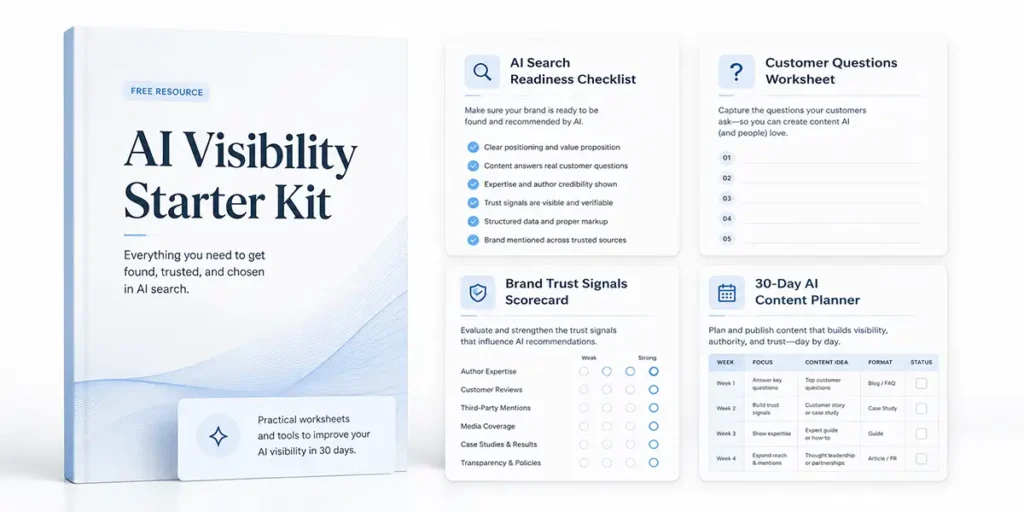
Want to Improve Your AI Visibility?
Download the free AI Visibility Starter Kit from Sights.com and start improving your content clarity, customer questions, trust signals, and AI search readiness.