
Understanding the Future Digital Economy: The Technologies Reshaping Business, Work, and Money
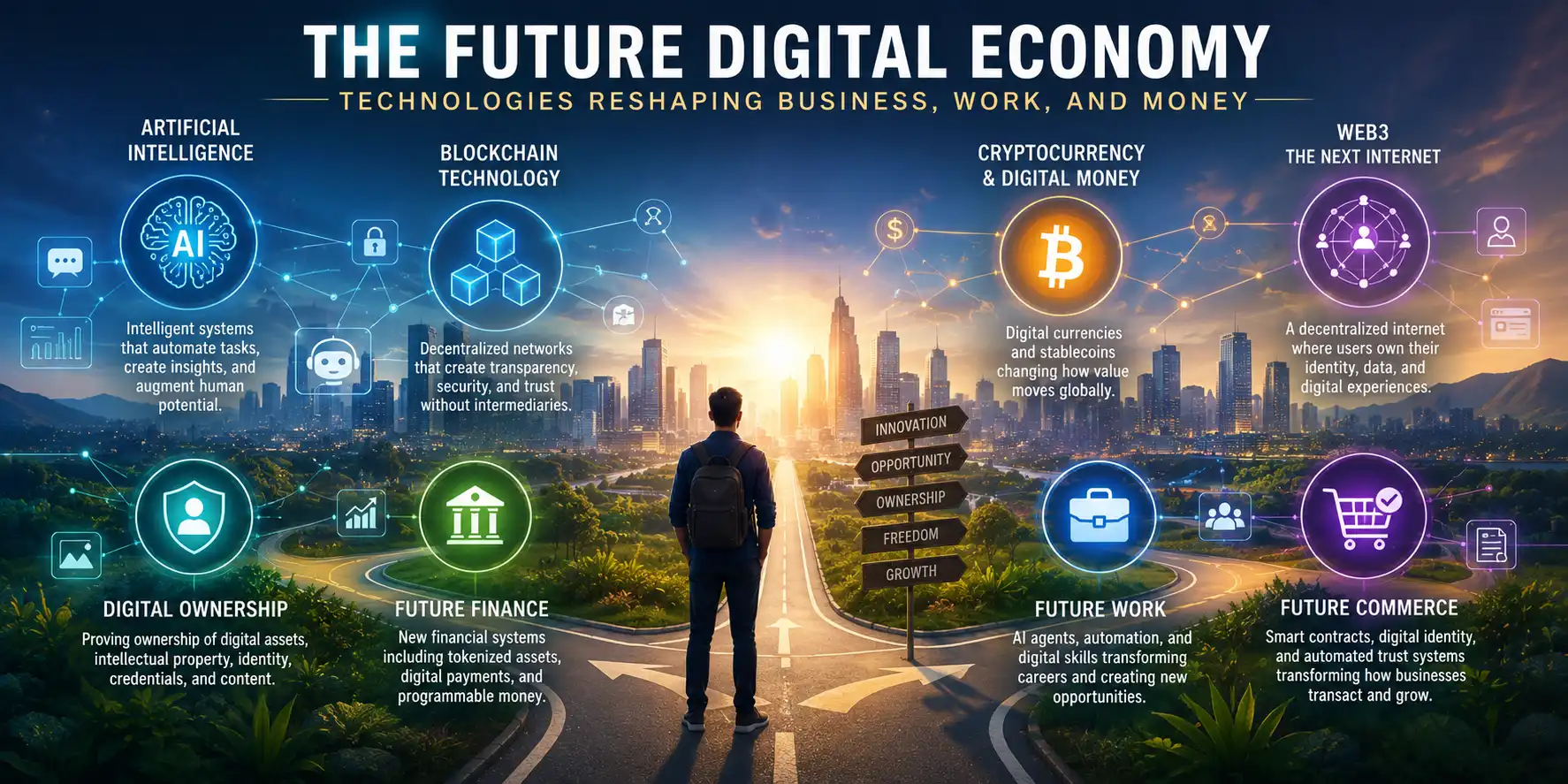
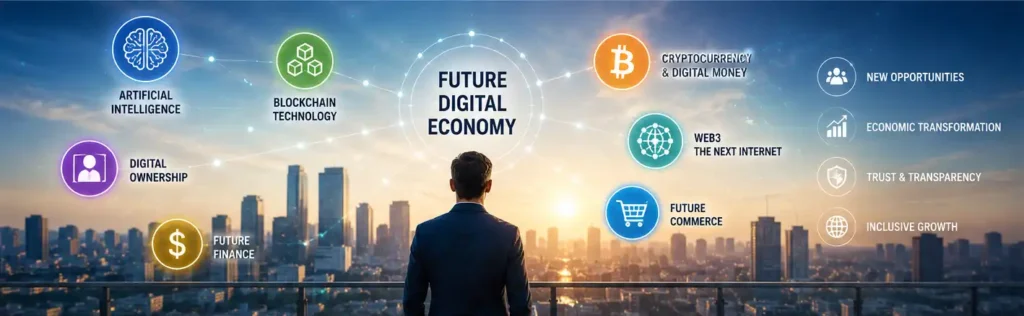
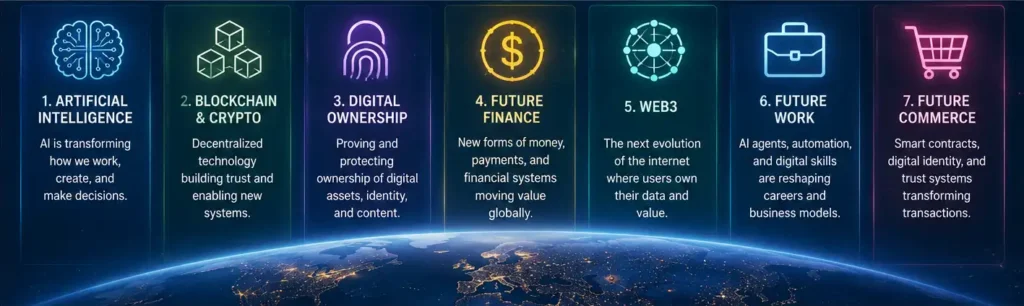
The world is entering a period of technological transformation unlike anything we have experienced since the arrival of the internet. Artificial intelligence, blockchain, cryptocurrency, smart contracts, digital ownership, and Web3 are not simply new technologies. Together, they are creating the foundation for what many experts call the Future Digital Economy.
While many people hear these terms regularly in the news, understanding how they connect can be confusing. AI appears to be changing work. Cryptocurrency seems to be changing money. Blockchain is often described as changing trust. Web3 promises a new version of the internet. But how do these technologies fit together?
The answer is that they are all contributing to a larger shift in how value is created, exchanged, owned, and managed in the digital world.
What Is the Future Digital Economy?
The Future Digital Economy refers to an emerging economic system where technology plays a central role in creating, managing, exchanging, and verifying value.
In the traditional economy, banks verify transactions, governments issue money, companies employ workers, and contracts require lawyers and administrators to manage agreements.
In the future digital economy, intelligent systems, blockchain networks, digital identities, smart contracts, and decentralized technologies increasingly perform many of these functions automatically.
This does not mean traditional systems disappear. Instead, digital systems become powerful new layers that improve efficiency, transparency, and accessibility.
Artificial Intelligence Is Changing Work
Artificial intelligence is becoming one of the most significant drivers of productivity in modern business. AI can analyze information, generate content, automate repetitive tasks, assist decision-making, and increasingly perform complex workflows through AI agents.
For creators, AI can help write articles, produce videos, generate images, research topics, and manage marketing campaigns. For businesses, AI can improve customer support, automate operations, and increase efficiency across departments.
The future workplace will likely involve humans working alongside AI systems rather than competing against them.
Blockchain Is Changing Trust
One of the challenges of the digital world is trust. How do we verify ownership, transactions, identities, and agreements when participants may never meet?
Blockchain technology provides a solution by creating transparent, secure, and tamper-resistant records that can be shared across networks.
Instead of relying on a single authority, blockchain systems allow participants to verify information collectively. This creates new opportunities for financial systems, supply chains, digital ownership, and online commerce.
Cryptocurrency Is Changing Money
Cryptocurrencies represent one of the most visible applications of blockchain technology.
While many people associate crypto with investing and trading, the underlying innovation is much larger. Digital currencies allow value to move globally with fewer intermediaries, faster settlement times, and potentially lower costs.
Stablecoins, which are cryptocurrencies designed to maintain a stable value, are increasingly attracting attention from businesses and financial institutions as a practical tool for digital payments.
Digital Ownership Is Becoming Essential
As more of our lives move online, proving ownership becomes increasingly important.
Digital ownership can apply to intellectual property, creative content, credentials, identities, digital assets, and even AI-generated work.
Future systems will likely place greater emphasis on verifiable ownership records, giving individuals and businesses more control over their digital assets.
Web3 Is Changing the Internet
The internet has evolved through several major phases.
- Web1 focused on reading information.
- Web2 focused on creating and sharing content through platforms.
- Web3 introduces the possibility of ownership and value exchange directly within digital networks.
While Web3 is still developing, its core vision is an internet where users have greater control over their identities, assets, and participation in digital economies.
Future Finance Is Emerging
Financial systems continue to evolve alongside technology. Digital payments, tokenized assets, stablecoins, decentralized finance, and programmable money are creating new possibilities for moving and managing value.
Many of these innovations aim to increase efficiency, reduce friction, and improve access to financial services globally.
Why Understanding the Future Digital Economy Matters
Every major technological shift creates opportunities for those who understand it early.
The future digital economy will influence careers, businesses, investments, education, commerce, and daily life. Whether you are a creator, entrepreneur, professional, or business owner, understanding these technologies will help you make better decisions and adapt to a rapidly changing world.
The Opportunity Ahead
We are still in the early stages of this transformation. Artificial intelligence, blockchain, digital ownership, future finance, and Web3 are developing rapidly, and their combined impact will likely shape the next generation of economic growth.
Those who invest time in understanding these technologies today may be better positioned to participate in the opportunities they create tomorrow.
Start Learning Today
The future digital economy is not a distant concept—it is already emerging around us. By understanding the technologies behind this transformation, you can better prepare yourself, your career, and your business for the opportunities ahead.

About the Author
Curtis Randall is an award-winning creative executive and future systems thinker helping people and businesses understand the future of work, technology, digital ownership, and creativity. Through CurtisRandall.com, and Sights.com, Curtis explores the systems shaping how people work, create, own, and build value in a rapidly changing world.
Connect with Curtis: LinkedIn · YouTube · Instagram · X · TikTok · Facebook · Threads
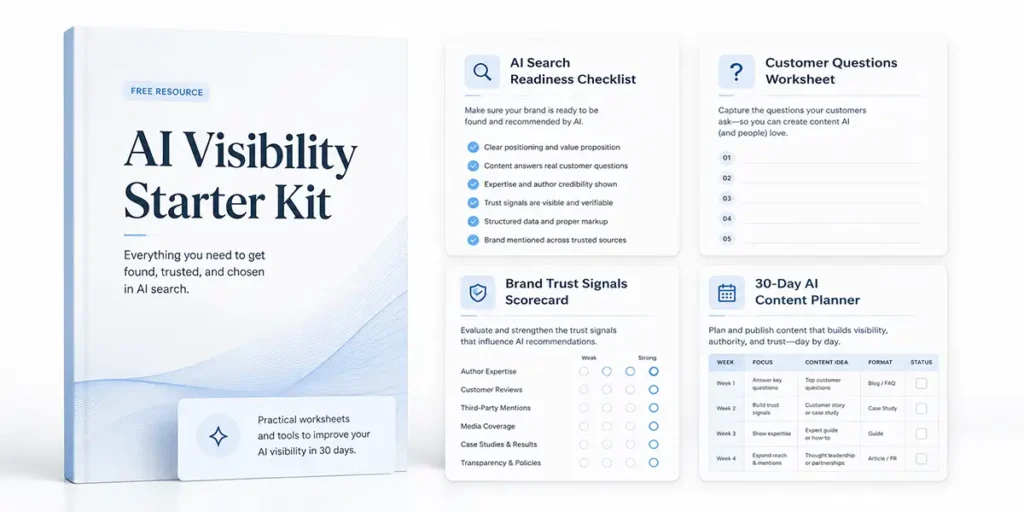
Want to Improve Your AI Visibility?
Download the free AI Visibility Starter Kit from Sights.com and start improving your content clarity, customer questions, trust signals, and AI search readiness.